

Responsible attorney
C. Jared Clark, Esq.
Designated responsible attorney
Las Vegas personal injury attorney
Drunk driving accident lawyer in Las Vegas: how the DUI case, punitive damages, dram shop limits, and deadlines shape your claim. Call (702) 330-3272.
Free consultation · No fee if no recovery · Open 24/7
No fee if no recovery · Open 24/7 · Past results do not guarantee future outcomes.
Attorney advertising. This information is not legal advice. Contacting the firm does not create an attorney-client relationship. Past results do not guarantee future outcomes.
Responsible attorney: C. Jared Clark, Clark Law Group
In short: If you were hurt by an impaired driver, a drunk driving accident lawyer in Las Vegas can pursue a civil injury claim that runs separately from the criminal DUI case. Nevada law gives these claims some features ordinary crashes do not have, including a punitive damages statute written for impaired drivers. It also closes off one path many people expect: suing the bar or casino that served an adult driver. Clark Law Group, PLLC in Las Vegas can review the crash report, the criminal case, and every insurance policy that may apply. Consultations are free. On personal-injury matters, you do not pay an attorney fee if there is no recovery. The firm is open 24/7. Call 702-330-3272 or contact the office. Contacting the firm does not create an attorney-client relationship.
This page is for people injured by a drunk or drugged driver. It does not cover DUI defense.
No. The criminal DUI case is brought by the state to punish the driver. Your injury claim is a civil case you bring to recover your losses. They run on separate tracks, with separate deadlines, and the civil claim does not have to wait for the criminal case to end before it moves forward.
The two cases still affect each other. Under NRS 41.133, if the driver is convicted of the crime that resulted in your injury, the judgment of conviction is conclusive evidence of all facts necessary to impose civil liability for that injury. A conviction can therefore settle questions that would otherwise be argued in the civil case.
A conviction is not required. Plenty of DUI accident claims move forward while the criminal case is pending, or after it ends in a plea to a different charge or a dismissal. In those situations the civil claim is built the usual way: the crash report, the officer's observations, breath or blood test results, witness accounts, and the physical evidence from the scene.
What you should not do is wait for the prosecution and let the civil deadline pass. The criminal court does not track your filing deadline for you.
Nevada's main DUI statute, NRS 484C.110, makes it unlawful to drive or be in actual physical control of a vehicle on a highway or on premises open to the public while impaired. Impairment can be shown by being under the influence of alcohol, by a 0.08 test result, or by drugs or a mix of drugs and alcohol.
Under NRS 484C.110, it is unlawful to drive or be in actual physical control of a vehicle while:
The statute covers premises "to which the public has access," not only public roads, so a crash in a casino parking garage or a shopping center lot can still involve a DUI violation. For the civil claim, the test result is evidence of impairment. The negligence question is still how the driver drove and whether that caused the crash.
Possibly. NRS 42.010 allows punitive damages when the defendant caused an injury by driving in violation of NRS 484C.110, 484C.130, or 484C.430 after willfully consuming or using alcohol or another substance. It also says NRS 42.005, which holds Nevada's general punitive damages cap, does not apply to those claims.
Punitive damages are different from compensation. They are awarded "for the sake of example and by way of punishing the defendant," in addition to the damages that pay for your medical care, lost income, and other losses. Most Nevada punitive damages claims run through NRS 42.005. Impaired-driver claims have their own statute, NRS 42.010.
| Question | General rule (NRS 42.005) | Impaired driver (NRS 42.010) |
|---|---|---|
| What must be shown | Clear and convincing evidence of oppression, fraud, or malice | Injury caused by driving in violation of NRS 484C.110, 484C.130, or 484C.430 after willfully consuming alcohol or another substance |
| Cap on the award | Three times compensatory damages if those are $100,000 or more; $300,000 if less | NRS 42.010 states that NRS 42.005 does not apply |
The three listed statutes are the general DUI prohibition (NRS 484C.110), vehicular homicide (NRS 484C.130), and the penalty statute for DUI that causes death or substantial bodily harm (NRS 484C.430). The word "willfully" matters, and so does the link between the impaired driving and your injury. Punitive damages are never automatic, and nothing on this page predicts whether a jury would award them in a particular case.
Generally not, if the driver was an adult. Under NRS 41.1305(1), a person who serves, sells, or furnishes alcohol to someone 21 or older is not liable in a civil action for damages that person causes as a result of drinking it. Nevada places that responsibility on the driver.
The statute does create liability in one setting, and it is narrower than many people assume. Under NRS 41.1305:
Nevada applies a parallel rule to cannabis in NRS 41.1307. If an underage driver was supplied at a private party, who supplied the alcohol and who controlled the premises become important early questions.
Usually the at-fault driver's auto liability policy pays first, up to its limits. Nevada's minimums are $25,000 per person, $50,000 per crash, and $20,000 for property damage under NRS 485.3091. When those limits run out, your own uninsured or underinsured motorist coverage may be the next source.
Many drivers carry more than the minimum, and some vehicles are covered by an owner's or commercial policy. Minimum limits are often exhausted by a single hospital stay. That makes the coverage investigation as important as the fault question in many drunk driving cases.
The car accident page covers the claim process with insurers in more detail.
It can. Nevada uses modified comparative negligence under NRS 41.141. If your share of fault is not greater than the defendants' combined share, you can still recover, but the award is reduced by your percentage. If your share is greater, recovery is barred, even when the other driver was impaired.
In a DUI crash, the impaired driver's conduct is usually the main issue. Insurers still look for something to shift a percentage to you: speed, a late lane change, a missed signal, or a phone in your hand. Those arguments go to the percentage under NRS 41.141, so photos, video, and witness statements gathered early help answer them.
If you were a passenger in the impaired driver's own car, the analysis can differ. A passenger's claim may run against the driver's policy, and the facts about how the ride started may be raised. That is a conversation to have with a lawyer, not something to argue with an adjuster.
Many Nevada injury lawsuits must be filed within two years under NRS 11.190(4)(e), which covers injuries to a person or the death of a person caused by the wrongful act or neglect of another. The criminal DUI case does not stop that clock, so plan around the civil deadline from the start.
Some claims follow different rules. NRS 11.190(4)(e) itself lists exceptions, and claims involving a government vehicle or public employee can carry additional notice and damages rules discussed on the pedestrian accident page. If someone was killed in the crash, the family's claim is a wrongful death claim with its own rules about who may sue; see wrongful death claims.
A drunk driving claim usually rests on the criminal file plus the ordinary crash evidence. The arrest report, test results, and any conviction show impairment. The scene, the vehicles, and the medical records show how the crash happened and what it cost you.
Impaired drivers are often uninsured or carry only the minimum. Your own coverage may help through an uninsured motorist claim.
The personal injury page explains how a Nevada negligence claim usually moves from medical care to settlement or suit.
C. Jared Clark, Esq. is the designated responsible attorney for Clark Law Group. He earned a Bachelor of Science from the University of Nevada, Las Vegas, and a Juris Doctor, cum laude, from Thomas Jefferson School of Law. During law school he interned for the Honorable John A. Houston, U.S. District Judge for the Southern District of California, and for the San Diego Public Defender's office. He has lived in Nevada since 1988 and is a member of the State Bar of Nevada, the American Bar Association, and the Nevada Justice Association. Read more about Jared Clark.
The office is at 2320 Potosi St, Las Vegas, NV 89146. The firm is open 24 hours a day, 7 days a week.
Last updated October 20, 2026.
This page is attorney advertising and general information, not legal advice. Statutes and case law change, and how any of them apply depends on the facts. Contacting the firm does not create an attorney-client relationship. Prior results do not guarantee future outcomes.
Published Clark Law Group recoveries. Past results do not guarantee, predict, or warrant a similar outcome.
Free Consultation →Past results do not guarantee a similar outcome. Each case is different.
Past results do not guarantee a similar outcome. Each case is different.
Past results do not guarantee a similar outcome. Each case is different.
Past results do not guarantee a similar outcome. Each case is different.
Missed work, medical bills, your family. We carry the legal weight so you can focus on recovering.
Las Vegas personal injury attorney
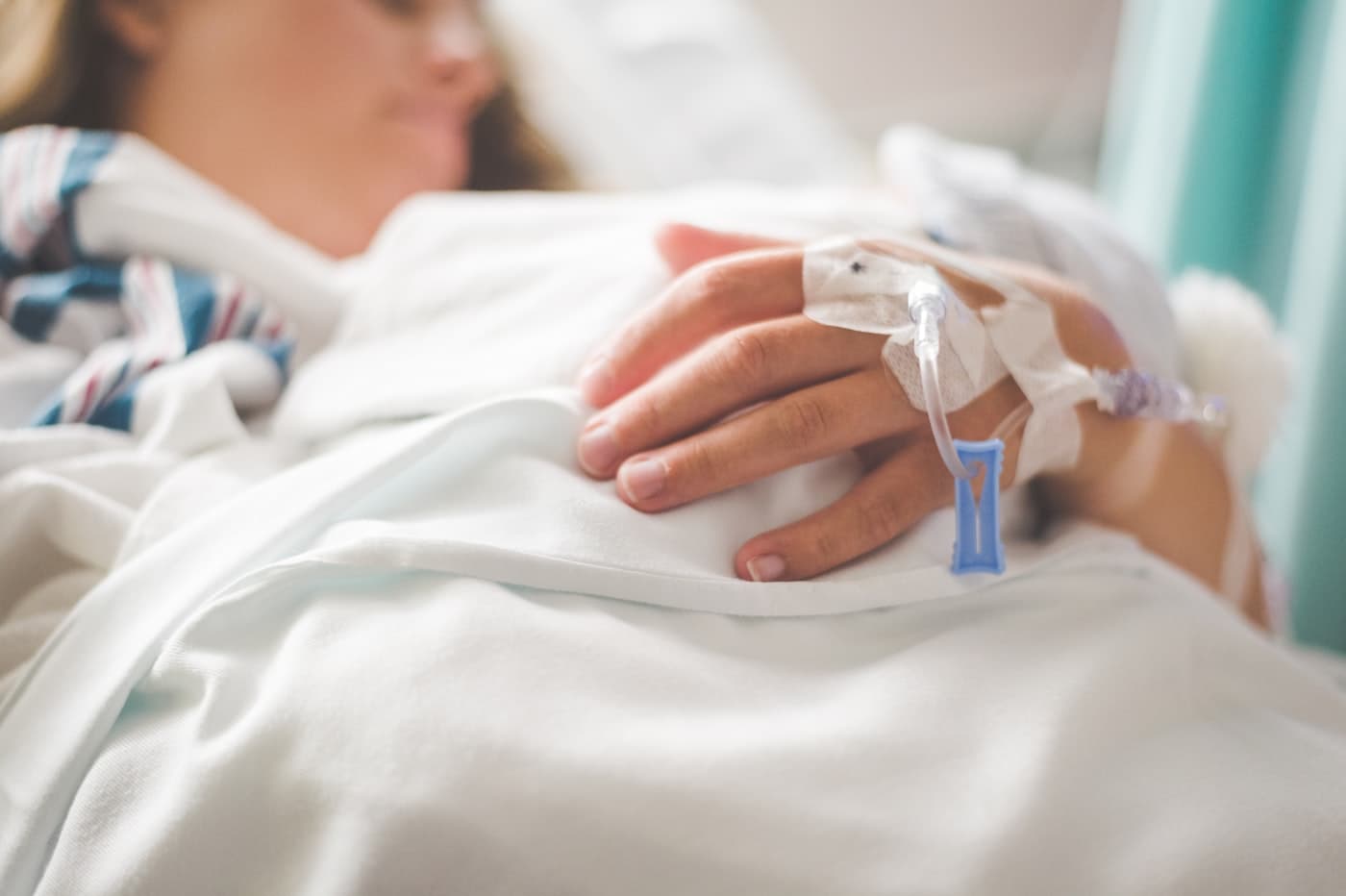
Call (702) 330-3272 during business hours or send a message on the contact page. Consultations are free.
Counsel looks at medical records, witness statements, and police reports and can deal with insurers on your behalf.
You get a plain-language view of options. On injury matters, the firm states you do not pay an attorney fee if there is no recovery.
No. The criminal DUI case and your civil injury claim are separate cases with separate deadlines. Many Nevada injury lawsuits must be filed within two years under NRS 11.190(4)(e), and that period does not wait for the prosecution. A conviction can help, because NRS 41.133 makes it conclusive evidence of the facts needed for civil liability.
Possibly. NRS 42.010 allows punitive damages when the defendant caused an injury by driving in violation of NRS 484C.110, 484C.130, or 484C.430 after willfully consuming alcohol or another substance. It also says NRS 42.005, which contains Nevada's general punitive damages cap, does not apply to those claims. Whether the facts qualify is a case-specific question.
Generally not. Under NRS 41.1305(1), a person who serves, sells, or furnishes alcohol to someone 21 or older is not liable in a civil action for damages that person causes. The statute's underage-service liability also does not apply to licensed sellers or their employees acting in the course of business.
Nevada's minimum liability limits are $25,000 per person, $50,000 per crash, and $20,000 for property damage under NRS 485.3091. A serious injury can exceed those quickly. Your own uninsured or underinsured motorist coverage may apply; Nevada insurers must offer it under NRS 687B.145(2), but whether you bought it depends on your policy.
It can matter less than people expect. NRS 484C.110 makes it unlawful to drive under the influence of a controlled substance or a combination of alcohol and a controlled substance, not only alcohol. NRS 42.010 also refers to alcohol or another substance. The negligence claim itself turns on how the driver drove and what caused the crash.
On personal-injury matters, including drunk driving crash claims, Clark Law Group states that consultations are free and you do not pay an attorney fee if there is no recovery. Fee terms for a specific matter are explained before you hire counsel. Contacting the firm does not create an attorney-client relationship.
Call (702) 330-3272 — no pressure for the first 10 minutes.
Free consultation, 24/7. On injury matters, no attorney fee if there is no recovery.
Personal injury help in Las Vegas and across Nevada.